Experience across wind, solar, BESS, data centers, heavy civil, utilities, and industrial projects.
Aligned with OSHA / NFPA / EM 385 / ISO
Work built to OSHA 1910/1926, NFPA 70E, EM 385-1-1, and ISO 14001/45001/9001 frameworks.
Nationwide Coverage
United States projects with mobilization to Canada (Ontario, Alberta, Saskatchewan), Puerto Rico, and Mexico.
Crane & Rigging Fundamentals
for Renewable Energy & Construction
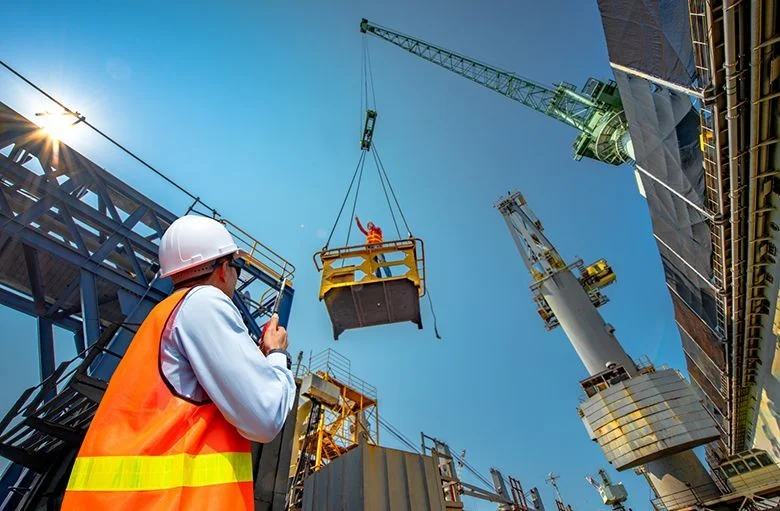
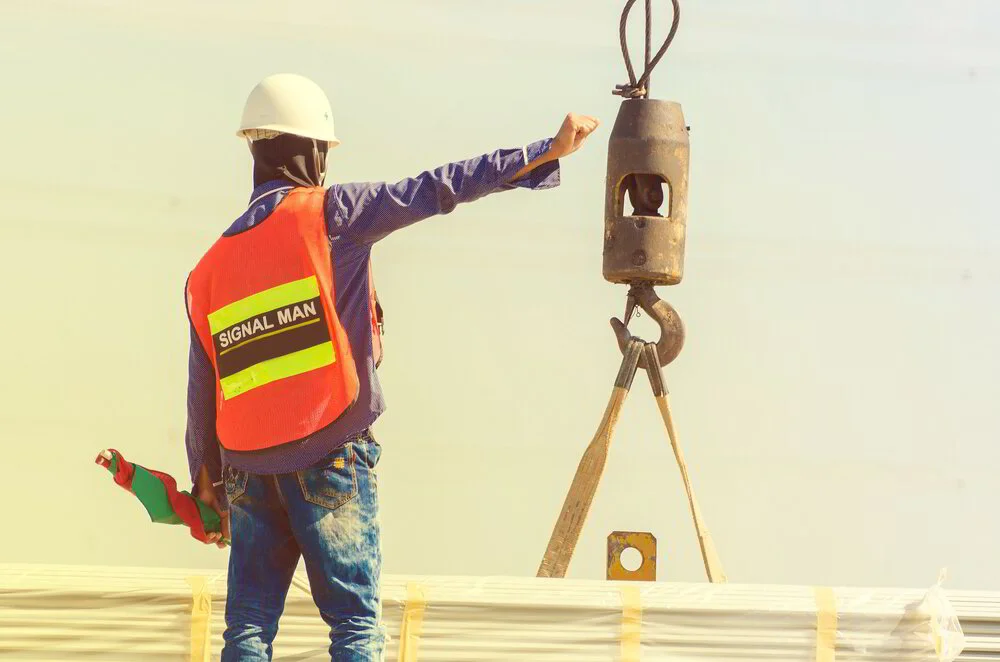
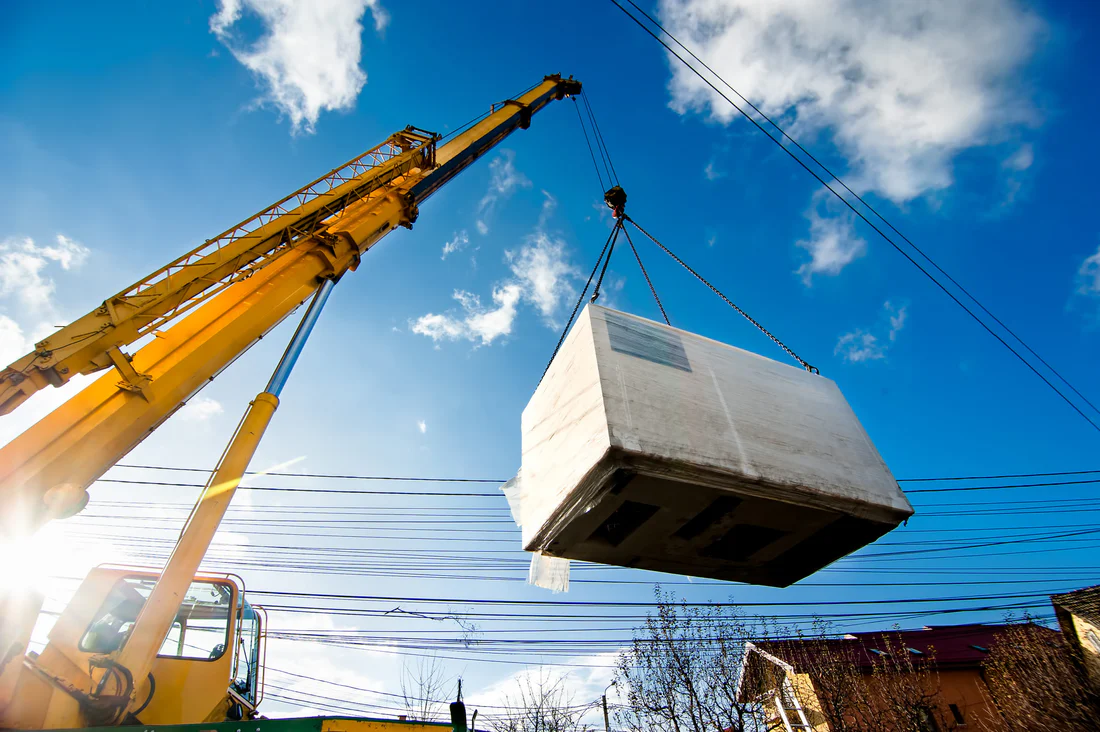
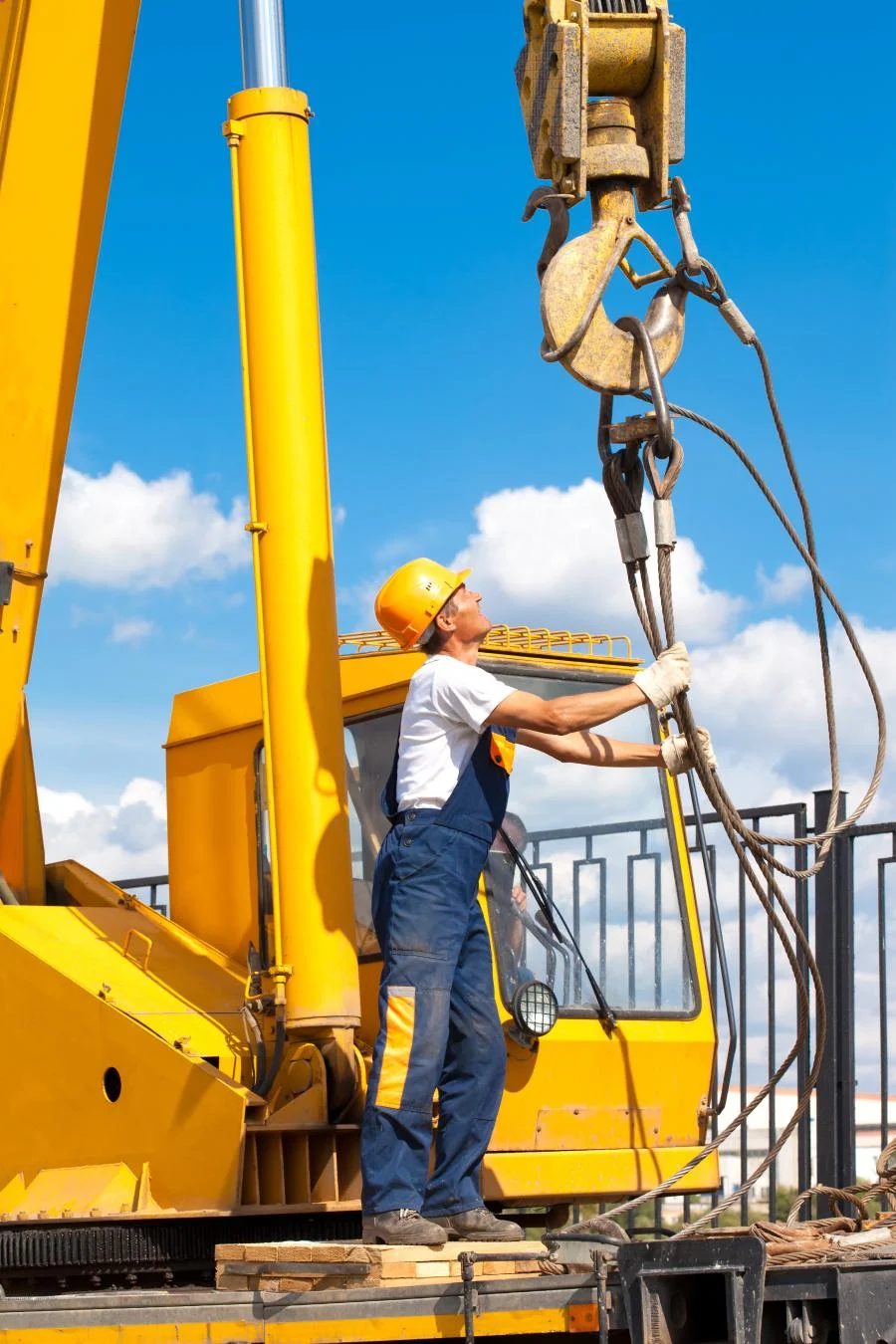
Crane & Rigging Fundamentals explains how to safely plan lifts, inspect rigging gear, communicate with operators, understand load charts, and control hazards around cranes. This training prepares workers who assist with rigging, signaling, crane setup, and lift coordination on construction and energy sites.
This training exists to reduce dropped loads, prevent equipment incidents, and keep projects compliant with federal and site-specific safety requirements.
Fill out the form below, and our team will respond promptly with complete training details and next-step guidance.
Crane & Rigging Training for Safer Workplaces
On-site instruction for renewables & industrial teams.
Our instructors teach workers how to support crane operations safely, inspect rigging gear, use correct communication methods, and help maintain reliable lift activities throughout the project.