
Spill Prevention & Response - Traianing
Keeping crews protected, sites compliant, and operations safe across wind, solar, BESS, data center, utility, and industrial projects.
Stay Connected With Us
23+ Years in Safety
Experience across wind, solar, BESS, data centers, heavy civil, utilities, and industrial projects.
Aligned with OSHA / NFPA / EM 385 / ISO
Work built to OSHA 1910/1926, NFPA 70E, EM 385-1-1, and ISO 14001/45001/9001 frameworks.
Nationwide Coverage
United States projects with mobilization to Canada (Ontario, Alberta, Saskatchewan), Puerto Rico, and Mexico.
for Renewable Energy & Construction
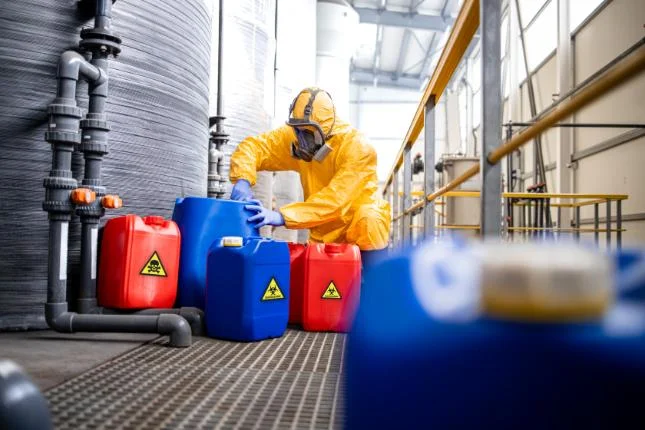
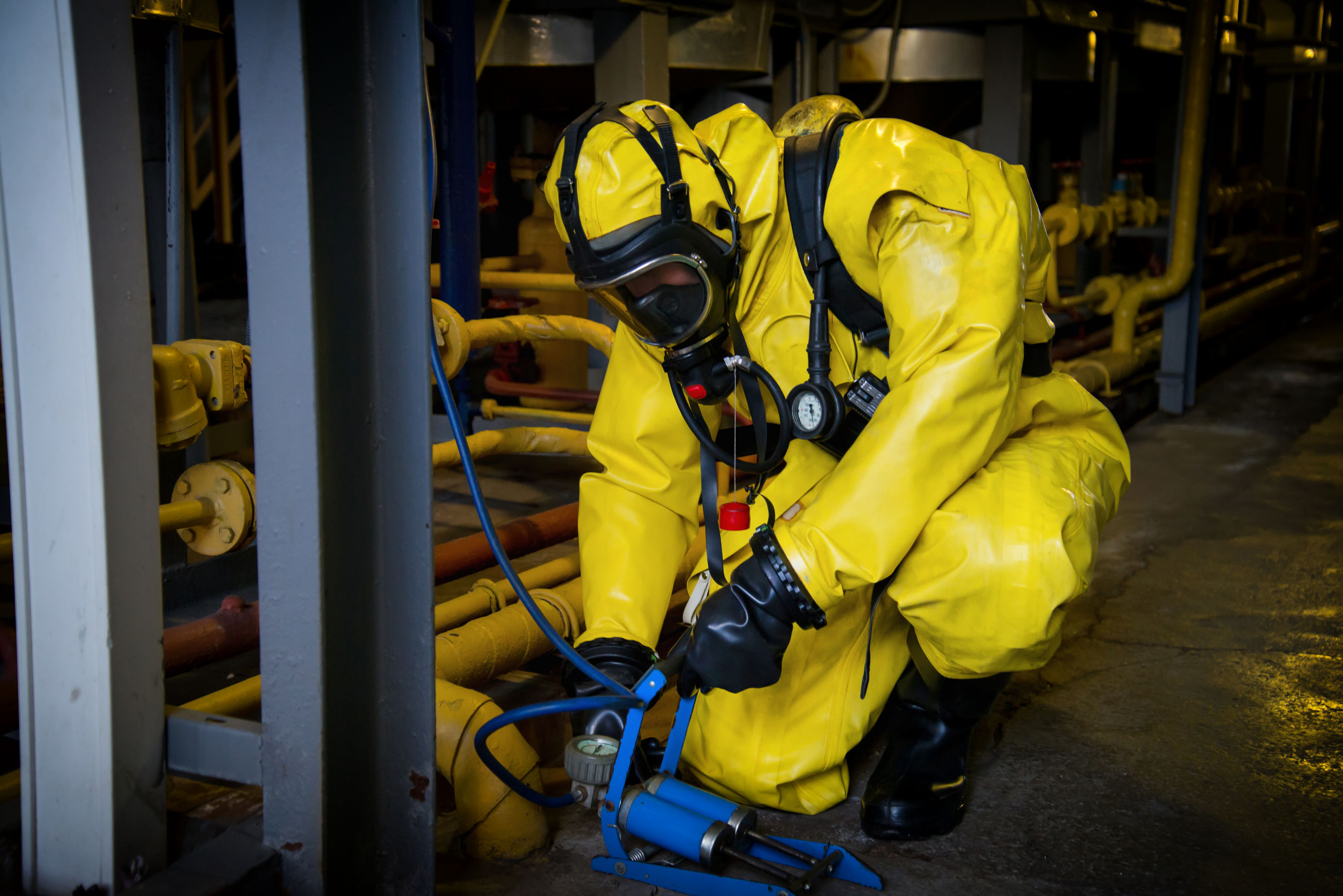
Spill Prevention & Response Training teaches workers how to identify spill risks, prevent releases, contain leaks, and follow proper cleanup steps. The training covers control methods, storage rules, response equipment, reporting requirements, and safe cleanup procedures for oils, fuels, chemicals, and battery-related materials.
This training exists to prevent environmental damage, avoid shutdowns, and keep sites compliant during inspections.
Environmental & Hazardous Material
Training on identifying environmental risks, handling regulated materials, reporting needs, and safety practices required in daily operations.
01
02

03
The Risks of Working Without Spill Prevention & Response Training
Spills on wind, solar, BESS, data center, and industrial sites create safety hazards, environmental impacts, and costly compliance issues.
What Happens Without Spill Prevention & Response
Spill Prevention & Response
Fill out the form below, and our team will respond promptly with complete training details and next-step guidance.
On-site instruction for renewables & industrial teams.
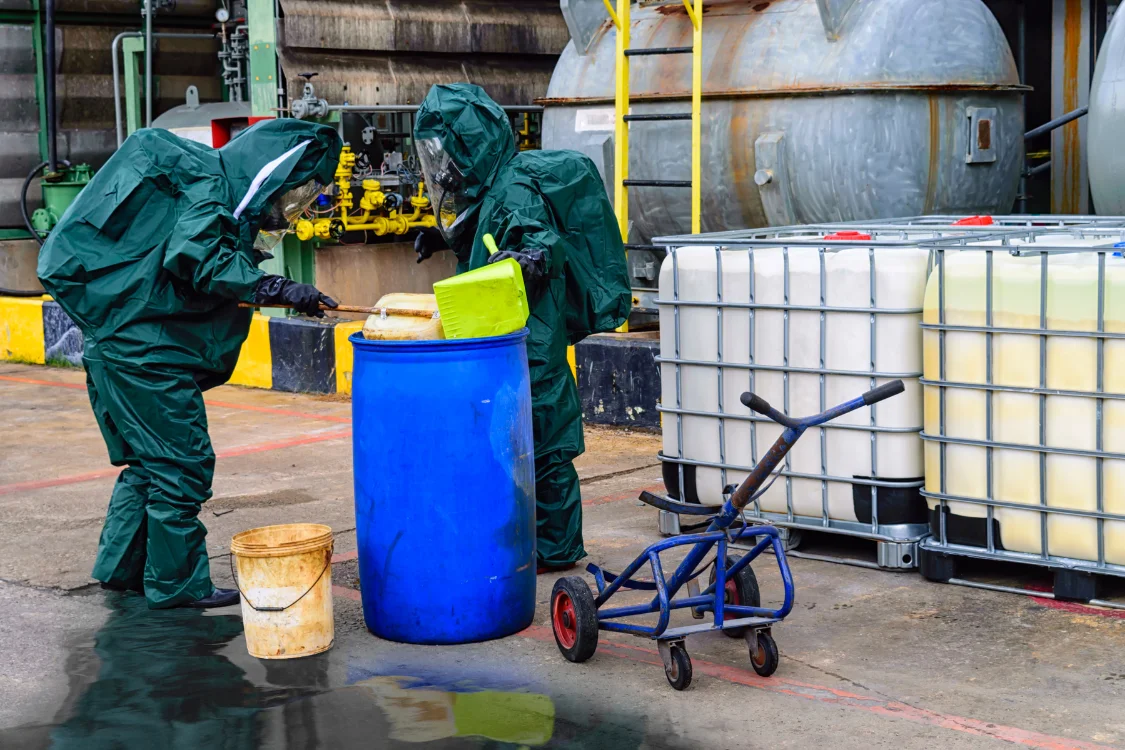
Our instructors provide clear steps for preventing spills, responding safely, and meeting reporting requirements. Workers learn how to identify risks, use spill equipment correctly, and maintain proper documentation for regulatory confidence.
Partner with Renew Safety
Get answers to common questions about OSHA 10–Hour Construction training.
Training that covers how to prevent spills, contain leaks, and follow proper cleanup and reporting steps.
Workers who handle oils, fuels, chemicals, hydraulic fluids, batteries, or equipment that may release hazardous materials.
Absorbents, booms, pads, disposal bags, compatible gloves, and tools for safe containment.
When a release meets EPA reportable quantities, threatens waterways, or triggers EM 385 notification rules.
Poor storage, equipment leaks, fueling errors, improper handling, or lack of inspections.